

#PracticeWhatYouTeach: Do you get bored?
Do you ever get bored with your workouts? If you asked me this I would probably say no. There is so much variety built in to the Pilates movements and system it would be hard to get bored. I realized this week though that I do “work” at not being bored and I kind of do it without even realizing it. When I decide to do a Pilates Mat Workout or Pilates Reformer workout (that I could do in my sleep because my body knows it pretty well…) I automatically find something I want to work on that day and I incorporate it into everything I do. Some days I just focus on coordinating breath or breathing better. Other days I am focused on whole body engagement, balance in my body or flow. Other days I focus on a body part like feet or shoulders and what they should be doing. Some days I pick something that I’ve been specifically having a client work on because I want to know what it feels like to do what I’m asking of them.
This week I did a mat workout where I focused on stability and lengthening in my low spine. Every exercise I did I mentally came back to finding how I could better decompress and lengthen the space between my hips and rib cage. The result was a great focused workout and some good soreness in my abdominal muscles! I also found myself checking in with that low spine length throughout the rest of my week (like when I was sitting at the computer working and even when I was standing teaching.) All of this got me thinking and I thought I’d put together a quick list of some different focus ideas for myself and anyone else who might need a quick idea. These ideas work best when you are not necessarily learning something brand new but practicing those movements and sequences that your body already knows fairly well.
- Breath ..not holding your breath, just focusing on it, the flow of it, coordinating it with each movement..
- Feet: Are you using them? are they in alignment? feet awareness!
- Head alignment…check in with where you head is in relationship to the rest of the body during every exercise
- Shoulder stability…are you stabilizing your shoulders in each exercise? How does that effect the rest of the movement?
- Focus on your tight spot in your spine and focus on articulation especially through that spot and awareness of that area during each exercise
- Pick a muscle ( could be hamstrings, biceps, obliques, whatever) and notice how it is engaged in each movement
- Pick a Pilates principle..Breath, Centering, Control, Coordination, Flow, Precision and focus on what it means in every exercise to use that principle
- Whole body engagement
- Pelvic floor awareness/engagement
- Your working level on each exercise
- Flow and transitions between exercises
- Balance….is your body balanced? are your movements balanced? is your breath balanced?
- Spine Movement ( or stabilizing)…notice what your spine should be doing in each exercise
- Are you overworking anywhere?…continually check in and figure out how you can work more uniformly by not overworking in areas
This is just a quick list of things I thought of or have used in my own workouts. I would love to hear more ideas from you!
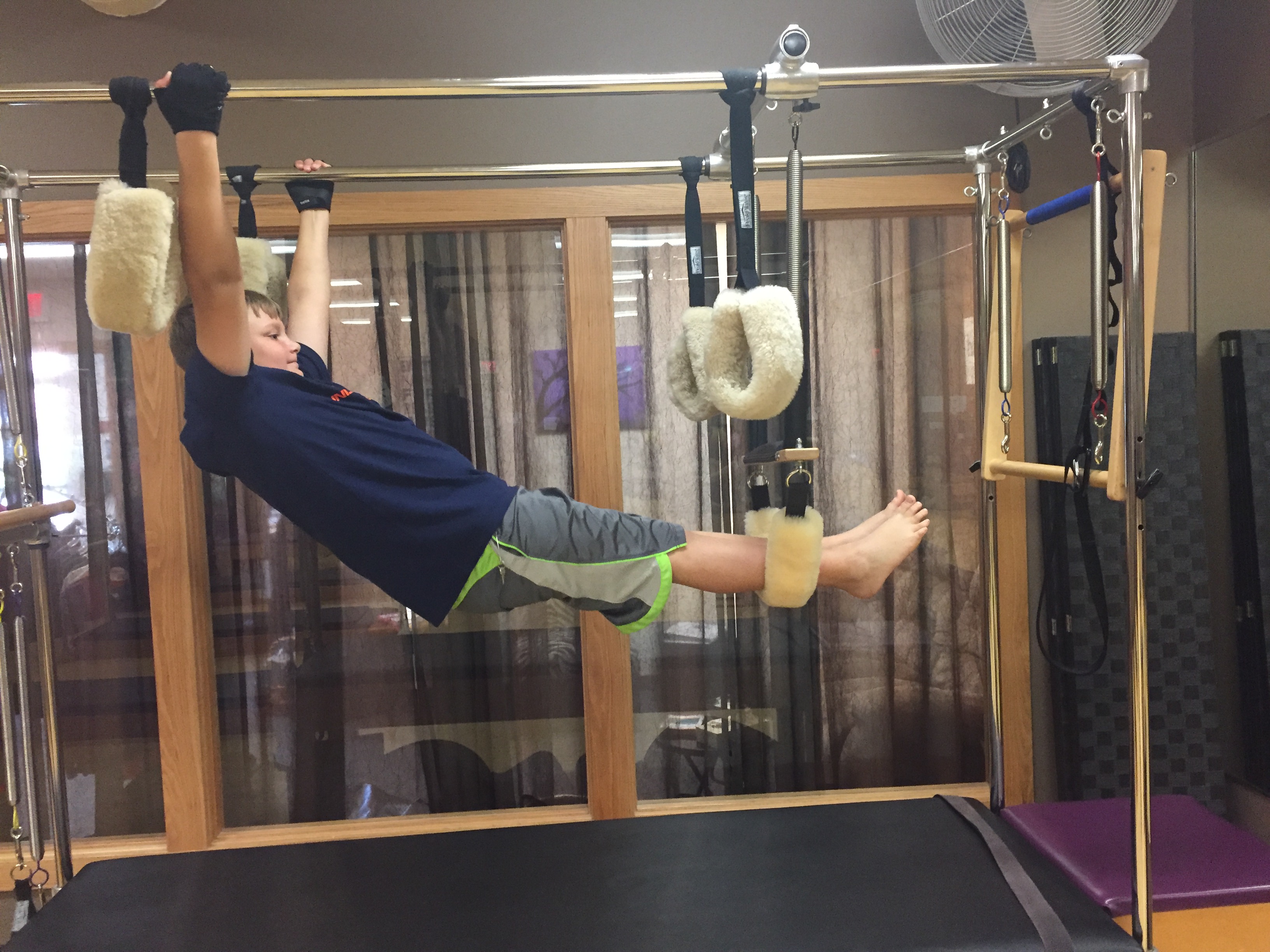
 As a parent I get to watch Tyler move when he’s taking a Ninja Zone class, a Taekwondo class and even when I teach a Pilates Mat class at his school, but this was definitely different. I loved being able to put him on the reformer and watch him put the pieces together to figure out how to do Footwork on the Reformer. I loved seeing that although I only cued him a couple of times to engage his abdominal muscles, he automatically engaged them on most exercises. I loved seeing how even though it was a challenge, he worked to control equipment (ie no banging or making noise…which is asking a lot from a 10 year old boy!) and it didn’t take his body long to figure it out! When I showed him how to do an exercise I call scooter on the Reformer he jumped on and said we could both do this at the same time (and he was right!). After that exercise Tyler decided we should make a Parent/Kid Pilates class that he would help me design!
 From a personal practice standpoint, working with Tyler reminded me of the joy of movement and exploring movement. As I worked with him I tried not to over teach him, but just give him some basic instructions designed to keep him safe and let him figure things out on his own. It was very cool to see how the feedback from the equipment helped him very quickly move better and more efficiently. What a great reminder of the value in trying new things and trusting the design of the equipment and the exercises!
 As I finish up my last day at the annual Pilates Method Alliance Conference I am struggling with what to write about for this weeks blog. Not because I don’t have anything to write about but because I have so much to write about I can’t possibly get it all in one blog that people might actually want to read! So I’m going to keep it short and sweet and share with you my top 3 takeaways from this year’s conference.
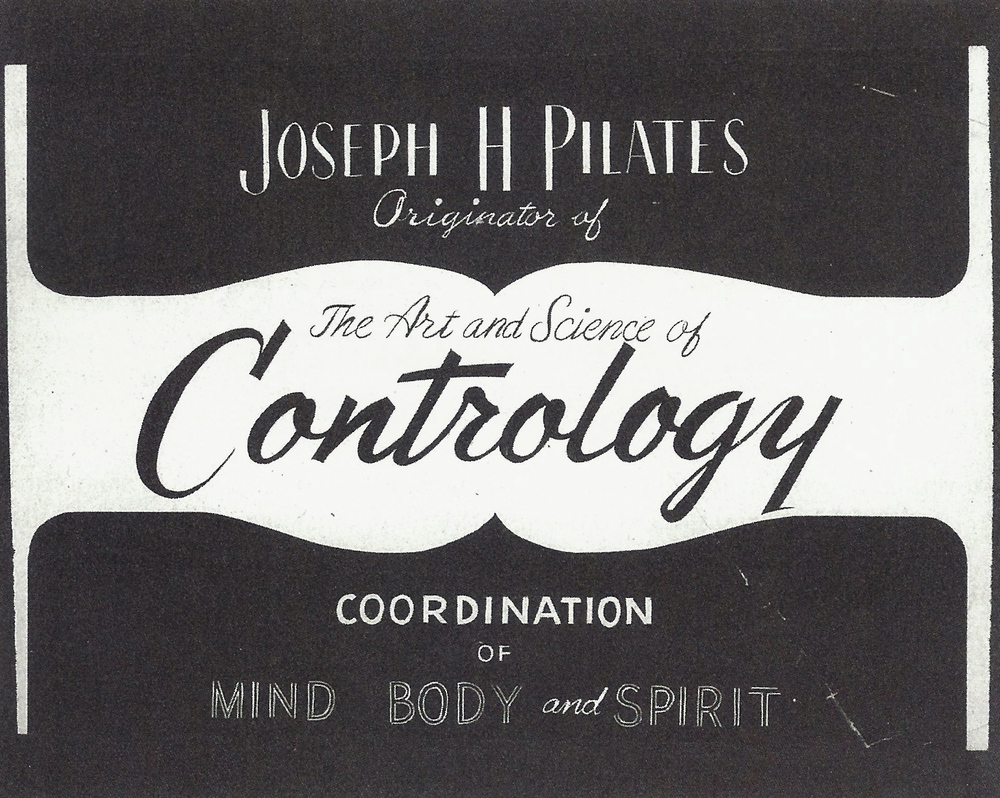
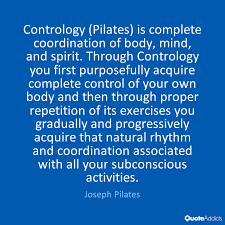
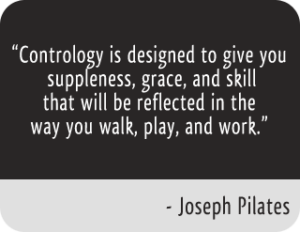 2. Benjamin Degenhardt said,” This work (contrology) is about empowering you where you are in your body.” This is not a new idea to me but it’s one that really speaks to me as to why I do Pilates and why I teach. Many times throughout the conference I heard very experienced, distinguished Pilates teachers echo this same idea. Pilates is about teaching ourselves and others to live in the body we have the best we can. It’s more than OK that we don’t all teach exactly the same way or exactly the same version of exercises . As teachers it’s about being in the moment with our students, teaching movement patterns that are specific to what the body needs and empowering others to learn how to use movement as a tool to improve quality of life!
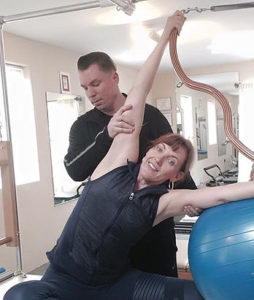 Trent McEntire started his ” What’s Neuroscience got to do with it?” Workshop with this topic and it really resonated with me. Most of his discussion involved how we teach clients and help them find the “edge” in their movement practice so that they continue to get and feel results in their body. From a teaching perspective I loved that he was describing how I normally teach clients because it confirmed that what I often write off as intuitive teaching really had some science to back up why it’s effective.
 I decided this week that I should be trying to post more on Instagram, sharing my personal practice and sharing my passions. One of my passions when it comes to movement is showing people that Pilates is doable no matter where you are in your body. Pilates can be such an amazing health tool to make your life happier and healthier! It drives me a little (ok a lot) crazy when I see so many social media posts of instructors doing movements that the average person would find intimidating or impossible. As a teacher I’ve never really been comfortable posting pictures and videos of me doing exercises because I don’t want potential clients to think that they need to be able to move a certain way or look a certain way to start Pilates. I think in my head I’ve always thought that me posting pictures of myself would come across as bragging or showing off……. or worse yet people would look at it and criticize my movement or me! Something changed my mind about that theory this month.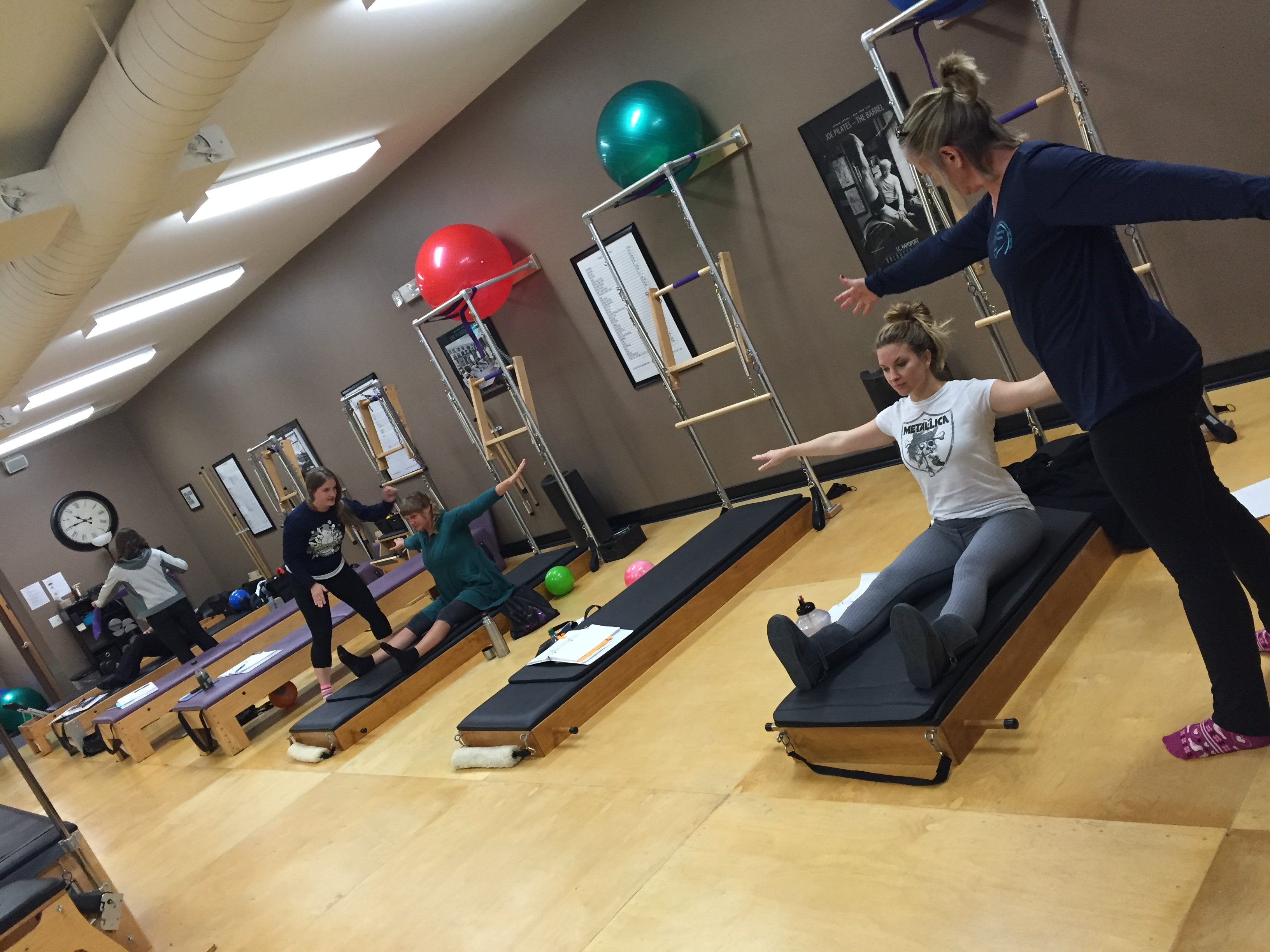
 On Sunday night, after a fun filled day of teaching teacher training workshop I got a chance to get in a long walk and practice my Pilates mat work. What kept popping into my head during my Pilates time is hearing the trainees say things like:
 What’s the key to not feeling like a complete failure every time your Pilates teacher gives you some advice on making your movement better? For me, I had to make the realization that my Pilates practice was a practice. I had to acknowledge that the benefits of me moving my body and practicing Pilates movements really comes from the process itself and not any end result. My flexible spine, my awareness of my posture and alignment and my core strength are a cumulative effect of the practicing of movements I do on a regular basis. I don’t have to wait until my Teaser is absolutely perfect or for my side leg kicks to look like those of a ballerina to benefit from my Pilates practice.